If you’ve ever wondered whether becoming a lash artist is a smart career move in 2026, the first thing you need to understand is what the job actually looks like day-to-day. At first glance, it might seem simple—apply eyelash extensions and you’re done. But in reality, it’s a mix of artistry, precision, customer service, and business skills all rolled into one. Think of it like being both a painter and an entrepreneur at the same time.
Is a Lash Artist a Good Career in 2026? Salary, Demand & Growth Explained
Is a Lash Artist a Good Career in 2026? Salary, Demand & Growth Explained
Katina R.

Understanding the Role of a Lash Artist
A lash artist works closely with clients to enhance their natural beauty by applying individual lash extensions tailored to different eye shapes and preferences. Every appointment is customized, which means you’re constantly creating unique looks rather than repeating the same process. Sessions can last anywhere from 1.5 to 2 hours, requiring intense focus and a steady hand. It’s not just about making lashes look good—it’s about ensuring safety, maintaining hygiene, and delivering a relaxing experience that keeps clients coming back.
But here’s where things get interesting. A large part of your success doesn’t just depend on your technical skill—it depends on how well you connect with people. Clients want to feel comfortable, understood, and valued. Building trust turns one-time customers into loyal clients who return every few weeks. Over time, this creates a stable income stream that many traditional jobs simply don’t offer.
On top of that, lash artists often manage their own schedules, bookings, and marketing. Social media plays a huge role here. If you’ve got an eye for aesthetics and can showcase your work online, you’re already halfway to building a strong client base. So really, this career isn’t just about lashes—it’s about building a personal brand and turning your skill into a business.
Salary and Income Potential in 2026
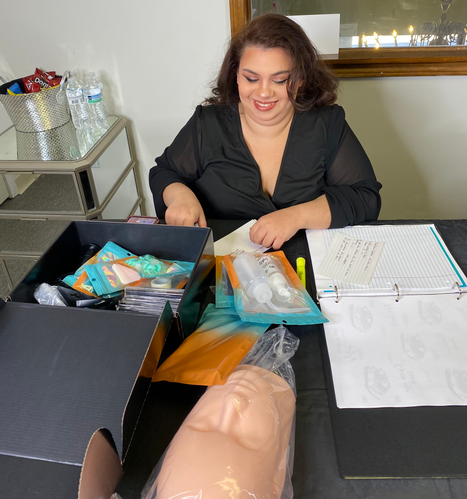
Let’s get into the part everyone is curious about—money. Is being a lash artist actually profitable in 2026? The short answer is yes, but your income depends heavily on your experience, location, and whether you work for yourself or someone else. Unlike a fixed-salary job, this career gives you the ability to scale your earnings based on effort and strategy.
On average, lash artists earn between $45,000 and $65,000 per year, with many professionals landing somewhere around the mid-$50K range. However, this is just the baseline. Beginners usually start lower, often earning between $25,000 and $40,000 while they build their skills and client base. At this stage, it can feel slow, almost like you’re putting in a lot of effort without seeing immediate rewards. But that’s completely normal.
Once you gain experience and build a loyal clientele, your income can increase dramatically. Mid-level lash artists often earn between $60,000 and $90,000 annually. And here’s the exciting part—top-tier or self-employed lash artists can easily cross the six-figure mark. Some even earn over $120,000 per year, especially if they offer premium services or run their own studios.
To understand why this is possible, you need to look at how lash artists make money. A full set of lashes can cost anywhere from $80 to $200 or more, depending on your expertise and location. Maintenance appointments, which clients typically need every 2–3 weeks, provide recurring income. It’s almost like having a subscription-based business where clients keep coming back regularly.
When you look at numbers like these, it becomes clear that this career doesn’t have a strict income ceiling. The more efficient you become and the stronger your brand gets, the more you can earn. It’s one of those rare careers where your effort directly impacts your income in a very visible way.

Demand and Industry Growth
Now you might be thinking—okay, the income potential sounds great, but is there actually enough demand in 2026? The answer is a confident yes. The beauty industry continues to grow rapidly, and lash services have become one of its most consistent and in-demand segments. What used to be considered a luxury is now a regular part of many people’s self-care routines.
Lash extensions are no longer just for special occasions. Many clients see them as a time-saving solution that eliminates the need for daily makeup. This shift in mindset has significantly increased demand, turning lash services into a recurring necessity rather than a one-time treat. Clients often spend hundreds or even thousands of dollars per year maintaining their lashes, which creates a steady stream of income for lash artists.
Another factor driving demand is social media. Platforms like Instagram and TikTok have transformed how beauty trends spread. Lash transformations, tutorials, and before-and-after videos attract massive attention, influencing more people to try lash services. In fact, a large percentage of clients now discover and book lash artists directly through social media platforms. This means that if you know how to market yourself online, you can tap into a global audience rather than relying solely on local foot traffic.
Trends are also evolving. While dramatic lashes were once the go-to style, many clients now prefer more natural and lightweight looks. This keeps the industry dynamic and encourages lash artists to continuously upgrade their skills. Additionally, there’s a growing demand for eco-friendly and cruelty-free products, giving artists an opportunity to stand out by offering premium, ethical services.
All of these factors combined make one thing clear—the demand for lash artists is not just stable, it’s growing. And as long as people continue to invest in their appearance and confidence, this demand isn’t going anywhere anytime soon.
Pros and Cons of Being a Lash Artist
Like any career, being a lash artist comes with its highs and lows. Let’s start with the positives, because there are quite a few. One of the biggest advantages is flexibility. You’re not stuck in a 9-to-5 routine. You can choose your working hours, decide how many clients to take, and even work from home if you prefer. This level of control is something many traditional jobs simply don’t offer.
Another major benefit is the earning potential. As discussed earlier, there’s no fixed cap on how much you can make. Your income grows as your skills improve and your client base expands. Plus, the recurring nature of lash appointments means you can build a stable and predictable income over time.
Creativity is another big plus. If you enjoy working with people and expressing your artistic side, this career can be incredibly fulfilling. Every client is different, which keeps the work interesting and engaging.
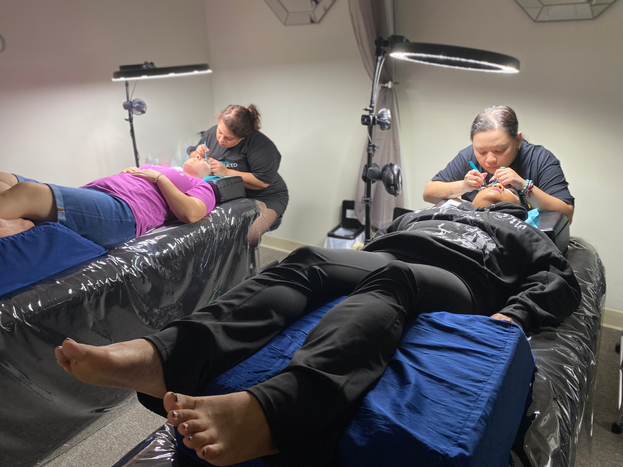
That said, it’s not all smooth sailing. One of the biggest challenges is the physical strain. Long hours spent leaning over clients can lead to back, neck, and eye fatigue. Without proper posture and breaks, this can become a serious issue over time.
Competition is another factor to consider. The industry is growing, which means more people are entering the field. Standing out requires not just skill, but also strong branding and excellent customer service. You need to consistently deliver high-quality work and build a reputation that keeps clients coming back.
There’s also the business side of things. If you choose to work independently, you’ll need to handle marketing, scheduling, finances, and client management. For some people, this is exciting. For others, it can feel overwhelming. The key is to treat your lash career like a real business, not just a side hustle.
How to Start and Grow in This Career
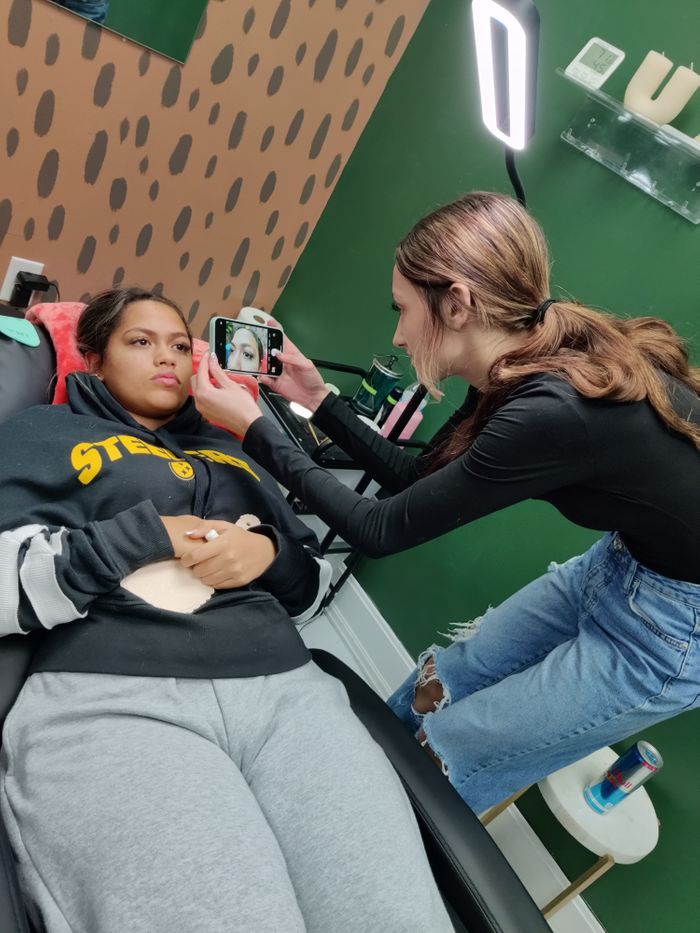
Getting started as a lash artist in 2026 is relatively accessible compared to many other careers. You don’t need years of formal education, but you do need proper training. Most beginners start with a certification course that teaches the fundamentals of lash application, safety, and hygiene. This is your foundation, and it’s crucial to choose a reputable training program.
Once you’re certified, practice becomes your best friend. Many new lash artists offer discounted or free services initially to build experience and a portfolio. This stage is all about improving your speed, precision, and confidence. Think of it as investing in yourself for long-term success.
You’ll also need to invest in basic tools and equipment. This includes lash kits, adhesives, tweezers, a comfortable bed, and proper lighting. While the initial cost isn’t extremely high, maintaining quality products is important for delivering safe and professional results.
Growth in this career comes from consistency and smart marketing. Social media is one of the most powerful tools you can use. Posting your work, sharing client testimonials, and engaging with your audience can help you attract new clients and build trust. Over time, you can increase your prices as your skills and reputation improve.
Expanding your services is another great way to grow. Many lash artists add services like brow treatments, facials, or even training courses. This not only increases income but also makes your business more resilient. The more value you offer, the more opportunities you create for yourself.
Final Verdict: Is It Worth It?
So, is becoming a lash artist a good career in 2026? The honest answer is yes—but only if you’re willing to treat it seriously. This isn’t a “quick money” path where success happens overnight. It’s more like building something from the ground up. You start small, stay consistent, and gradually grow into something bigger.
The demand is strong, the earning potential is high, and the flexibility is unmatched. For people who enjoy creativity, working with clients, and having control over their schedule, this career can be incredibly rewarding. At the same time, it requires effort, patience, and a willingness to adapt to trends and competition.
If you approach it with the right mindset—treating it as a business rather than just a skill—you can build a stable, profitable, and fulfilling career. In a world where more people are investing in self-care and personal appearance, lash artists are becoming more valuable than ever.